Long Island HVAC Health
8 Signs You Need Air Duct Cleaning on Long Island
Your duct system runs year-round on Long Island — central AC from June through September, heat from October through April. Here are the clearest signals it's time for a NADCA-certified cleaning.
Most Long Island homeowners don't think about their air ducts until something is visibly wrong — dust pouring from registers, a persistent musty smell, or an allergy attack that won't quit despite clean surfaces everywhere else. The duct system that distributes heated and cooled air through your home is also the system that distributes whatever accumulates inside it over years of use. On Long Island, where homes were built between the 1940s and 1990s and many haven't had ductwork cleaned since installation, that accumulation can be significant.
Here are eight signs your Long Island home's air ducts need professional cleaning.
1. Visible Dust Buildup at Supply Registers
The most obvious sign: look at the metal grilles covering your supply vents. If you see a gray-brown dust ring or visible fur on the grille face, the duct run behind that register has significant debris buildup. Dust at the register is what escaped the duct system — what's still inside is worse.
This is particularly common in Long Island homes with older rectangular sheet-metal duct systems (standard in 1960s–1980s builds) where decades of fine dust, pet dander, and pollen have accumulated on rough interior duct surfaces. Flexible duct, introduced in 1990s construction, traps debris in its accordion-style ridges.
2. Musty or Stale Odors When the HVAC Runs
If you notice a musty, stale, or mildew-like smell specifically when your AC or heat turns on — and the smell goes away after the system runs for a few minutes — that's a duct system odor, not a general house odor. It is most commonly caused by mold or mildew growth inside the ductwork or on the evaporator coil and drain pan.
Long Island's high-humidity summers (relative humidity regularly above 70% June through August) create ideal mold conditions inside sheet metal ducts, particularly near the air handler where condensation forms during AC cycles. The musty smell on startup is air being pushed past that mold colony. It needs to be physically removed, not masked with UV lights or spray treatments.
3. Allergy or Asthma Symptoms Worse at Home
If your allergy or asthma symptoms are noticeably worse at home than at work, in the car, or outside — and you've already ruled out bedroom dust mites and pet dander as the primary cause — your duct system may be recirculating allergens from previous seasons. HVAC systems on Long Island pull outdoor air through the return grille, which in spring and fall carries high pollen loads that accumulate in the ductwork.
We regularly hear from Nassau County homeowners with tree pollen allergies (oak and birch are the primary spring culprits on the North Shore) that their symptoms improve significantly after duct cleaning. The mechanism is simple: removing the allergen reservoir in the ductwork reduces the ongoing recirculation load on every air cycle.
4. Recently Moved In and Don't Know the History
If you bought a Long Island home and don't know when the ductwork was last cleaned — or if it ever was — this alone is sufficient reason. Many Long Island homes have original ductwork from the 1960s or 1970s that has never been professionally cleaned. Previous owners with indoor pets, smokers, or HVAC systems that ran without proper filtration for years leave behind years of accumulated debris.
A camera-scope inspection as part of a cleaning assessment will show you exactly what's in the system. We do not recommend cleaning until we scope — sometimes a lightly used home has clean ducts and doesn't need it. But if the previous owners had two dogs and replaced filters infrequently, you need to know that before your first Long Island summer with the AC running continuously.
5. Increased Utility Bills Without Explanation
Heavily restricted airflow from duct debris forces your HVAC system to run longer to reach setpoint temperature, increasing energy consumption without producing more comfort. If your heating or cooling bills have crept up over two or three seasons without an explanation in PSEG rate increases or weather patterns, restricted airflow is worth investigating.
This is most common in two-story Nassau County colonials with upstairs registers that have reduced flow relative to the first floor — the upper duct runs often accumulate the most debris because they see the most turbulence from supply pressure changes.
6. Dryer Takes More Than One Cycle to Dry a Load
This is a dryer vent issue, not a duct issue — but worth noting because dryer vent cleaning is often done at the same visit. If your dryer is taking 60–90 minutes for a normal load that used to take 45, the dryer vent is partially blocked. A fully blocked dryer vent is a fire hazard — the #1 cause of residential dryer fires is failure to clean the vent.
Long Island ranch homes and split-levels often have dryer vent runs of 20–30 feet from the appliance to the exterior wall, with multiple bends. These long runs accumulate lint faster than short runs and need annual inspection. If your dryer is in the basement or an interior room, have your vent run checked every year.
7. Renovation or Construction Recently Completed
Any interior renovation that generates dust — kitchen remodels, bathroom renovations, drywall repairs, flooring installation — sends fine dust particles into the return air system that then distributes throughout the ductwork. Drywall dust is particularly problematic: it is extremely fine, coats duct surfaces in an even layer, and takes weeks to settle out of recirculation even with frequent filter changes.
If you renovated any part of your Long Island home in the last 12 months, duct cleaning after the project is strongly advisable. We see this most often after kitchen renovations in Nassau County homes — the return grille near the kitchen picks up significant construction dust from demo and drywall work.
8. Visible Pest Activity in or Near the HVAC System
Rodent or insect activity in the ductwork — evidenced by droppings at registers, chewed duct insulation, or scratching sounds from the duct system — requires immediate cleaning after pest control has resolved the infestation. Rodent droppings and urine in ductwork are a significant health hazard; the dried material becomes airborne on every HVAC cycle.
This is more common than most homeowners expect, particularly in Suffolk County homes with crawl spaces or unfinished attic spaces where ductwork runs through unconitioned areas accessible to rodents. If you have had a mouse problem in the last year and your ductwork runs through a crawl space, the system should be inspected and cleaned.
What NADCA-Certified Air Duct Cleaning Includes
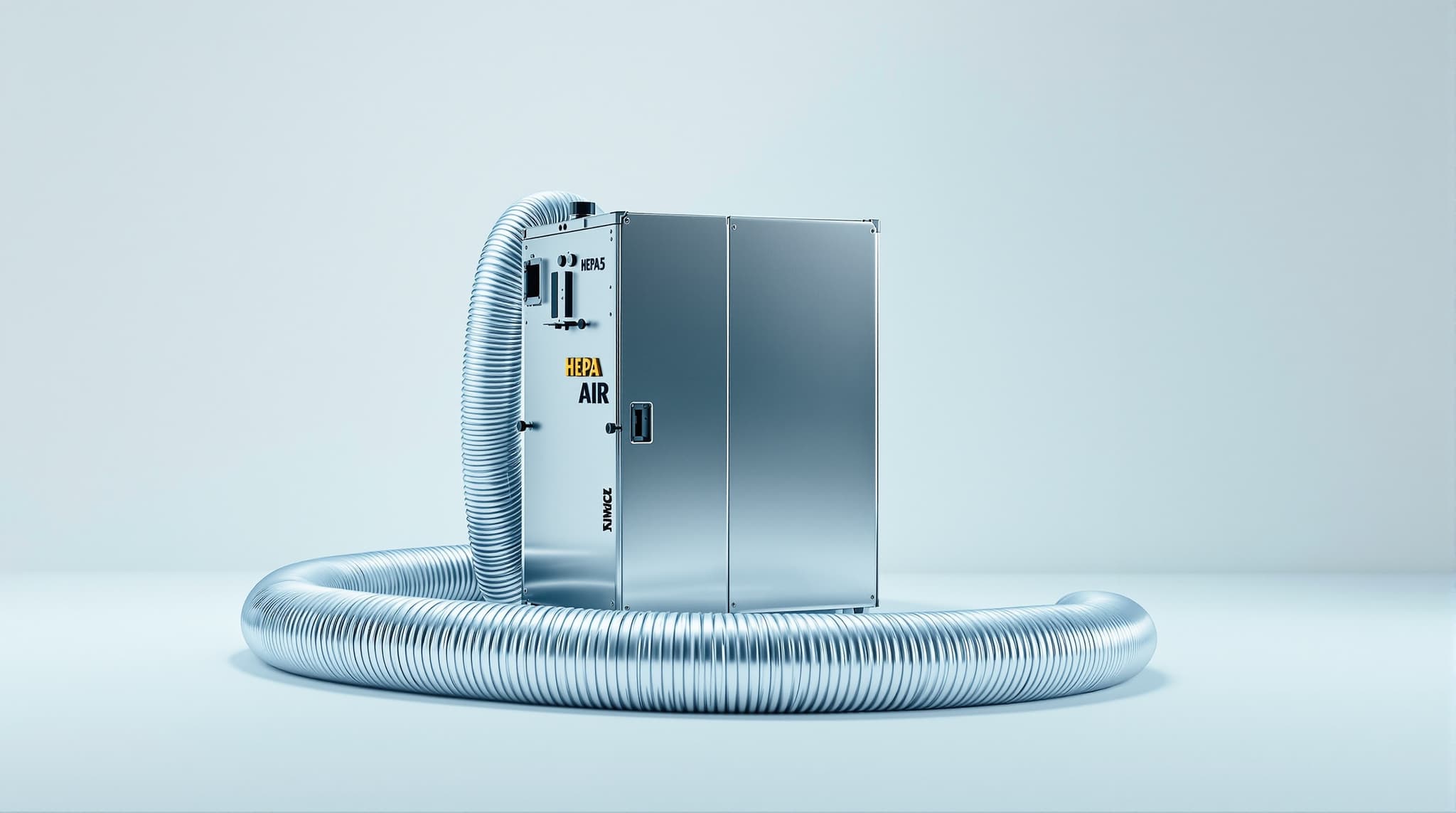
A proper NADCA-certified air duct cleaning at LI Air Duct Co. includes: camera-scope inspection of the main trunk lines and air handler before the job begins, commercial-grade negative-air machine setup at the main supply trunk (not a shop-vac), rotating brush cleaning of every supply and return branch, cleaning of the air handler, blower, and evaporator coil access area, final camera pass to verify the main trunk is clean, and a written before-and-after inspection report.
This process takes 3–5 hours for a standard single-zone Long Island home and costs $350–$750 depending on system size and configuration. We do not start until you see the pre-cleaning camera footage and we do not leave until the post-cleaning scope shows a clean trunk.
Get a Free Camera-Scope Assessment
We scope before we quote. Call to schedule a free camera inspection of your Long Island duct system — Nassau and Suffolk County.
(631) 641-5548Frequently Asked Questions
How do I know if my air ducts need cleaning on Long Island?
The most reliable sign is visible dust or debris at your supply registers — if you can see buildup around the vent grilles, the duct run behind them is likely worse. Other clear indicators: persistent allergy or asthma flare-ups that improve when you leave home, musty or stale odors from the vents when the HVAC runs, visible mold growth on vent covers or in the air handler, and rooms that are consistently dustier than others despite regular cleaning.
How often should air ducts be cleaned on Long Island?
Most Long Island homes benefit from air duct cleaning every 3–5 years. Homes with pets should clean every 2–3 years due to dander accumulation. Anyone with asthma or severe allergies should consider every 2 years. If you moved into a home where the previous owner had indoor pets, or if your home was recently renovated, a one-time cleaning before those intervals is strongly advisable.
Can dirty air ducts make you sick in Nassau County?
Yes. Duct systems that harbor mold spores, rodent droppings, or significant dust and pollen accumulation circulate those contaminants through your living space every time the HVAC runs. Long Island's seasonal allergy season (spring through fall) compounds the effect — outdoor allergens enter through air handler return vents and accumulate in the duct work. NADCA-certified cleaning removes these contaminants from the distribution system, which can significantly reduce symptom load for allergy and asthma sufferers.
What does a bad dryer vent smell like?
A clogged dryer vent typically produces a burning smell — like hot lint — during or after a dryer cycle. A partially blocked vent can also cause the dryer to run longer than usual (more than 45 minutes for a normal load) and clothes to come out still damp. On Long Island, long dryer vent runs (common in ranches and split-levels where the laundry room is far from an exterior wall) are particularly prone to lint accumulation and require more frequent cleaning.
Is there mold in my air ducts?
Mold in ductwork is more common on Long Island than most homeowners realize — primarily because Long Island's humid summers and the moisture generated by AC systems create ideal mold conditions inside sheet metal ducts and fiberglass duct liner. Warning signs include a musty smell when the AC runs (not just when it first starts), visible dark staining around registers, or recurring respiratory symptoms. A NADCA-certified technician can camera-scope your main trunk lines and air handler during the assessment to check for mold presence before recommending treatment.
How long does air duct cleaning take on Long Island?
A standard NADCA-compliant residential duct cleaning in Nassau or Suffolk County takes 3–5 hours for a single-zone home (1,600–2,500 sq ft). A two-zone home with separate HVAC systems runs 5–8 hours. Camera scoping adds 30–45 minutes. Our technicians set up a commercial HEPA negative-air machine at the main trunk, use a rotating brush system on each supply and return branch, and verify clean-through with a final camera pass on the main trunk. We do not leave until the main trunk scope shows clean.
Does air duct cleaning help with allergies on Long Island?
Many of our Long Island customers report meaningful allergy improvement after duct cleaning — particularly in spring and fall when outdoor pollen counts are high and HVAC systems are running continuously. The duct system acts as a collection reservoir for outdoor allergens that enter through the return air intake. Removing that reservoir reduces ongoing allergen recirculation. For maximum effect, combine duct cleaning with a MERV-11 or MERV-13 filter upgrade on your air handler.
How much does air duct cleaning cost on Long Island in 2026?
A proper NADCA-certified duct cleaning on Long Island runs $350–$750 for most single-family homes. Two-zone systems run $550–$950. Camera scoping is included in every job we do. If you see quotes under $150, they are not doing NADCA-compliant work — typically a shop-vac at 2–3 registers and a heavy upsell for UV lights and sanitizer.
About LI Air Duct Co.: NADCA-certified air duct, air vent, and dryer vent cleaning across Nassau and Suffolk County. Home · Air Duct Cleaning Cost Guide · All Services